
Picking the right landscaping materials for Wisconsin yard spaces takes a bit of planning. The weather swings, though, are tough, and many homeowners want outdoor spaces that look good and hold up through cold winters. Winters in Wisconsin have serious freeze-thaw cycles that threaten patios, walkways, and hardscape if materials are not frost-resistant.
When you use the right materials, your yard stays easier to maintain and you avoid common problems like cracking, drainage trouble, or dead plants. This guide covers the best landscaping materials Wisconsin homeowners can use, along with simple Wisconsin landscaping ideas and tips for choosing durable landscaping materials that handle cold climate conditions.
Why the Right Materials Matter in Wisconsin
Wisconsin’s cold climate creates real challenges. Snow, ice, and long freeze cycles can wear down patios, walkways, and garden beds. Some materials crack. Others shift or wash out during spring melt. Picking cold climate landscaping materials that hold up well is the first step toward a yard that lasts.
Common issues Wisconsin homeowners face:
- Freeze and thaw cycles that break weak stone or concrete
- Patchy drainage that harms soil or plant roots
- Weeds that spread across flower beds
- Soil erosion when snow melts
- Short growing seasons that limit plant choices
When you match the right materials to the weather, your yard keeps its shape and stays easier to manage all year.
Best Landscaping Materials for Wisconsin Homes
Here are the top options that work well in Wisconsin’s weather and help you plan a yard that stays strong from season to season.
1. Mulch for Weed Control and Moisture Protection
Mulch is a smart choice for many garden beds. It helps the soil hold moisture, slows weed growth, and keeps roots protected during temperature swings. A simple layer of mulch also gives garden beds a clean and finished look.
Why mulch works well:
- Helps soil retain moisture
- Slows down weed growth
- Keeps soil temperatures steady
- Reduces soil erosion
- Looks neat and tidy
You can choose from hardwood, cedar, or color-treated mulch. Each variety of mulch adds visual appeal to your yard and supports perennials, shrubs, and native plants through the growing season.
2. Decorative Stone for Strong, Low-Care Areas
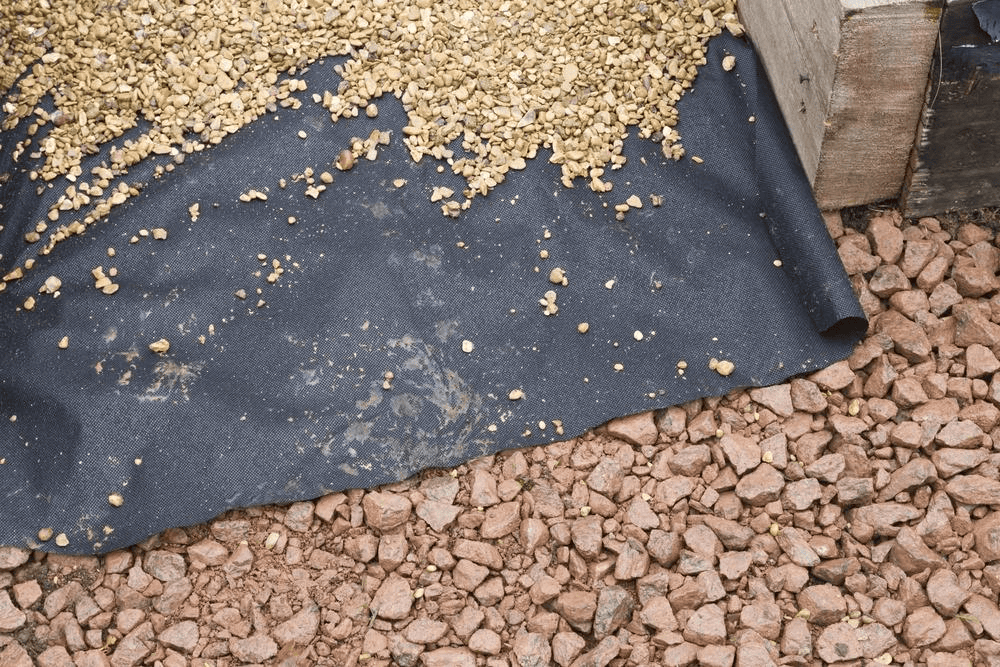
Decorative stone is a good pick for homeowners who want long-lasting results with little upkeep. Stone stays in place, drains well, and holds up through tough winters. It works well in spots where mulch washes away or breaks down too fast.
Use decorative stone for:
- Walkways
- Flower beds
- Landscape edging
- Drainage areas
- Around shrubs or garden beds
Gravel is a versatile choice when you want a quick fix for paths or open spaces. It drains well and stays stable once set. Natural stone also looks good year-round and handles snow and ice better than many other materials.
3. Pavers for Patios, Walkways, and Outdoor Living Space
Pavers are one of the best options for patios and walkways in Wisconsin. They handle freeze and thaw cycles far better than poured concrete. If one section shifts or cracks, you can replace single pieces without tearing up the whole area.
Why pavers fit Wisconsin homes:
- Less likely to crack
- Easy to fix by swapping pieces
- Good for fire pit areas or outdoor kitchens
- Many styles to match your home
Pavers work well for seating areas, cooking spaces, or walkways that connect key areas of your yard. They add visual appeal and create a strong base for your outdoor living space.
4. Natural Stone for Strong, Long-Lasting Features
Natural stone gives structure to your yard and stays strong through winter. It works well for retaining walls, steps, and water features that bring a calm and steady feel to your outdoor space.
Good uses for natural stone:
- Retaining walls
- Water features
- Steps and ledges
- Edging near garden beds
- Outdoor kitchen bases
Natural stone is known for durability, and it handles weather changes with fewer issues than regular poured concrete.
5. Compost and Soil Mixes for Healthy Beds
Good soil is the base for healthy plants. Compost helps improve soil health, strengthens root systems, and gives garden beds better drainage during wet seasons.
Benefits of adding compost:
- Boosts nutrients
- Improves drainage
- Helps soil retain moisture
- Supports native plants and perennials
Compost helps your plants stay healthy through the growing season and prepares them for colder months.
6. Native Plants for Low-Care, High-Impact Yards
Native plants grow well in Wisconsin because they are adapted to the local climate and soil. They need less water, fight off weeds better, and survive winter without much help.
Great native plant picks:
- Coneflowers
- Black-eyed Susans
- Native grasses
- Cold-hardy shrubs
- Perennials with strong root systems
Native plants support local pollinators and make your outdoor space look natural and inviting without constant upkeep.
7. Water Features for Calm and Natural Beauty
Water features add sound, movement, and calm to your outdoor area. In Wisconsin, choose simple styles that are easy to winterize.
Good choices include:
- Pondless waterfalls
- Rock fountains
- Small backyard ponds
- Stone streambeds
With the right setup, adding a water feature brings tranquility to your yard and helps create a natural focal point.
8. Landscape Lighting for Safety and Style
Landscape lighting helps you use your outdoor space at night and keeps walkways safer. It also highlights shrubs, garden beds, and features like pavers or water elements.
Lighting works well for:
- Walkways
- Outdoor living space
- Garden beds
- Water features
- Focal points
- Simple lighting upgrades add visual appeal without major work.
What Makes Wisconsin Landscaping Unique
Cold climate landscaping materials need to handle wet springs, freezing winters, and short growing seasons. These conditions change how you plan your yard and which materials you choose.
Key factors include:
- Using materials that handle freeze cycles
- Picking plants adapted to the local climate
- Choosing stones and pavers that do not crack
- Adding compost to improve soil health
- Protecting beds with mulch
- Planning drainage to avoid soil erosion
A professional landscape service helps you choose materials that fit your space and long-term plans.
People Also Ask
Here are common questions Wisconsin homeowners ask when planning outdoor projects.
- What materials last longest in cold climates?
- How do I prevent soil erosion in my yard?
- Which plants grow best in Wisconsin?
- Are pavers better than concrete in freezing weather?
- What is the best base for an outdoor living space?
- Should I use mulch or stone for my beds?
- How do I choose materials for my own landscaping needs?
Straightforward Answers for Your Landscaping Plans
What type of mulch should I use in Wisconsin?
Hardwood and cedar mulch work well because they stay in place, hold moisture, and handle freeze cycles.
Are pavers strong enough for Wisconsin winters?
Yes. They flex with temperature changes and are easy to fix if one piece shifts.
Which plants handle Wisconsin weather the best?
Coneflowers, black-eyed Susans, native shrubs, and many perennials do well in local soil.
How do I improve the soil in my beds?
Add compost once or twice a year to boost nutrients and drainage.
What helps stop weeds in flower beds?
A good layer of mulch helps suppress weeds and keeps soil moisture steady.
What helps with drainage?
Gravel, decorative stone, and well-mixed soil help move water away and reduce erosion.
What materials work well for fire pit or outdoor kitchen areas?
Pavers and natural stone are the best picks for heat, weight, and winter conditions.
Start Your Wisconsin Landscaping Project
Choosing the right landscaping materials for Wisconsin homes helps you build an outdoor area you enjoy year-round. With the right mix of mulch, stone, pavers, compost, and native plants, you can build a yard that looks great and stays strong through winter.
If you want help planning a new design or choosing the best materials, reach out to our team. We can help you compare options and build a plan that fits your home, your goals, and your budget. Let us help you bring your landscaping project to life.